Tire Technology
How tire pressure monitoring systems work
A TPMS watches your tire pressure and alerts you when one or more tires fall significantly below the recommended level. Here is how the parts fit together.
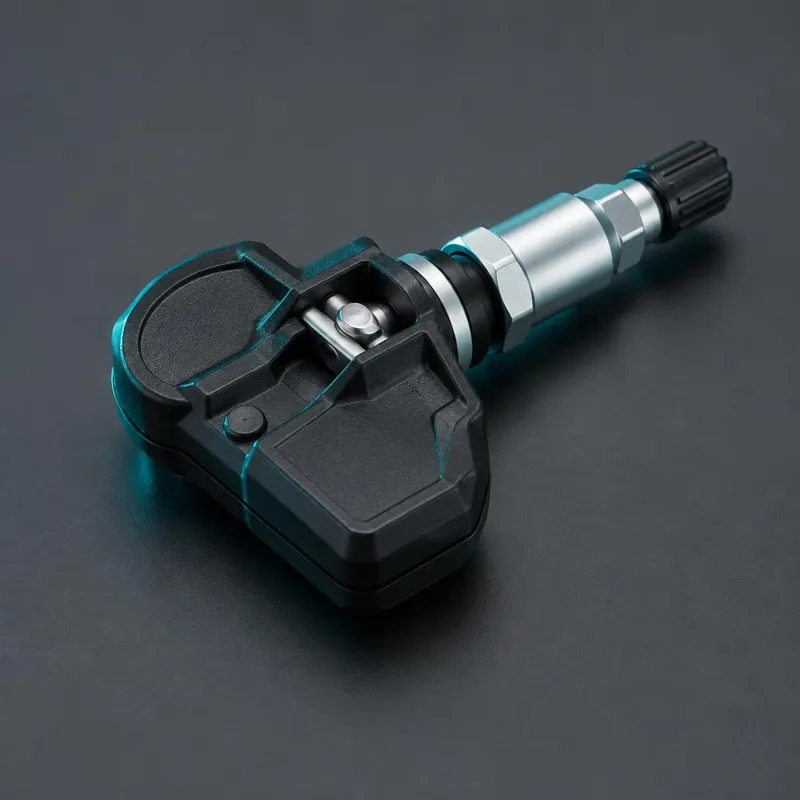
Direct vs. Indirect
Two ways to monitor pressure
Vehicles use one of two main approaches. Your owner's manual will say which one your vehicle has.
Sensor based
Direct TPMS
- Physical sensor inside each wheel
- Reports actual pressure readings
- Often shows per-tire values on the dashboard
- Sensors use batteries and may need service over time
- May need a relearn procedure after tire rotation
Wheel speed based
Indirect TPMS
- No pressure sensors inside the wheels
- Uses wheel speed sensors from the ABS system
- Detects an underinflated tire by its faster rotation
- Usually needs a reset after inflating or rotating tires
- Typically cannot show exact PSI per tire
Interactive Diagram
Explore the system
Selected component
Dashboard indicator
- What it is
- The TPMS symbol, and on some vehicles a per-tire pressure display.
- How it works
- The module lights the symbol steadily for low pressure, or flashes it for a system fault.
- Why it matters
- It is the driver's cue to check tire pressure with a reliable gauge.
Knowledge Check